Heritage Science Unit (E-RIHS.SI)
The Heritage Science Unit offers researchers and experts from various fields (natural and other sciences, engineering and technology, arts and humanities) an interdisciplinary approach to solving problems in the field of heritage science.
The unit was established in accordance with the Agreement on the establishment of the E-RIHS.SI consortium between the University of Ljubljana and the Institute for the Protection of Cultural Heritage of Slovenia (8 May 2019) and is part of the Slovenian hub of the European Research Infrastructure for Heritage Science. Access to and expertise will be determined in the future by the E-RIHS.SI Regulations. E-RIHS.SI is part of the European Research Infrastructure for Heritage Science (E-RIHS), supported by ESFRI - European Strategy Forum for Research Infrastructures, with a planned start of operations in 2021.
Head: prof. dr. Strlič Matija
Research equipments:
Equipment name:
Micro X-ray fluorescent (XRF) spectrometer Tornado M4 (Bruker)
Person, responsible for the equipment: Ibrahim Elrefaey
The equipment is located at the Biotechnical Faculty, UL BF (www.bf.uni-lj.si/en/research/research-equipment/)
Purpose of the equipment:
High-performance micro-XRF spectrometer (rhodium X-ray tube) is designed for non-destructive elemental analysis and mapping. It provides rapid analysis of points, lines, and 2D areas, delivering comprehensive information about elemental distribution from surfaces and subsurface layers. The system features high spatial resolution (<20 μm) using a polycapillary lens and high spectral resolution (<145 eV) enabled by dual detector technology. The analyses cover elements from sodium (Na) to uranium (U), with detection limits in the ppm range for many elements. Its software provides tools for qualitative and quantitative analysis, spectral processing, and data visualization, supporting both routine analysis and research applications.
Accessibility:
As agreed with the person, responsible for the equipment.
Interested users should contact the unit manager who organizes the measurements. The cost of measurements depends on the nature of the sample, the complexity of the experiments, and the interpretation of the data. You can get the price information from the person, responsible for the equipment when you make an appointment for the experiments.

Equipment name: Bruker Alpha II FTIR spectrometer
Person, responsible for the equipment: asist. razisk. dr. Hend Mahgoub
Purpose of the equipment:
The Bruker Alpha II FTIR spectrometer can be considered a non-invasive analytical tool for the identification and study of organic and inorganic materials. The instrument has two possible modes of operation: ATR and reflection, which are suitable for surface analysis of samples.
The Hirox digital microscope provides high-resolution macro to micro images with a magnification range of 35x to 2500x using versatile illumination options such as dark field, bright field, polarized light, and UV. This allows for optimized illumination and advanced capabilities, such as 2D and 3D positioning and multi-focus imaging. Intuitive software and motorized precision components allow sophisticated options to be easily implemented.
Accessibility: As agreed with the person, responsible for the equipment.
Interested users should contact the unit manager who organizes the measurements. The cost of measurements depends on the nature of the sample, the complexity of the experiments, and the interpretation of the data. You can get the price information from the person, responsible for the equipment when you make an appointment for the experiments.
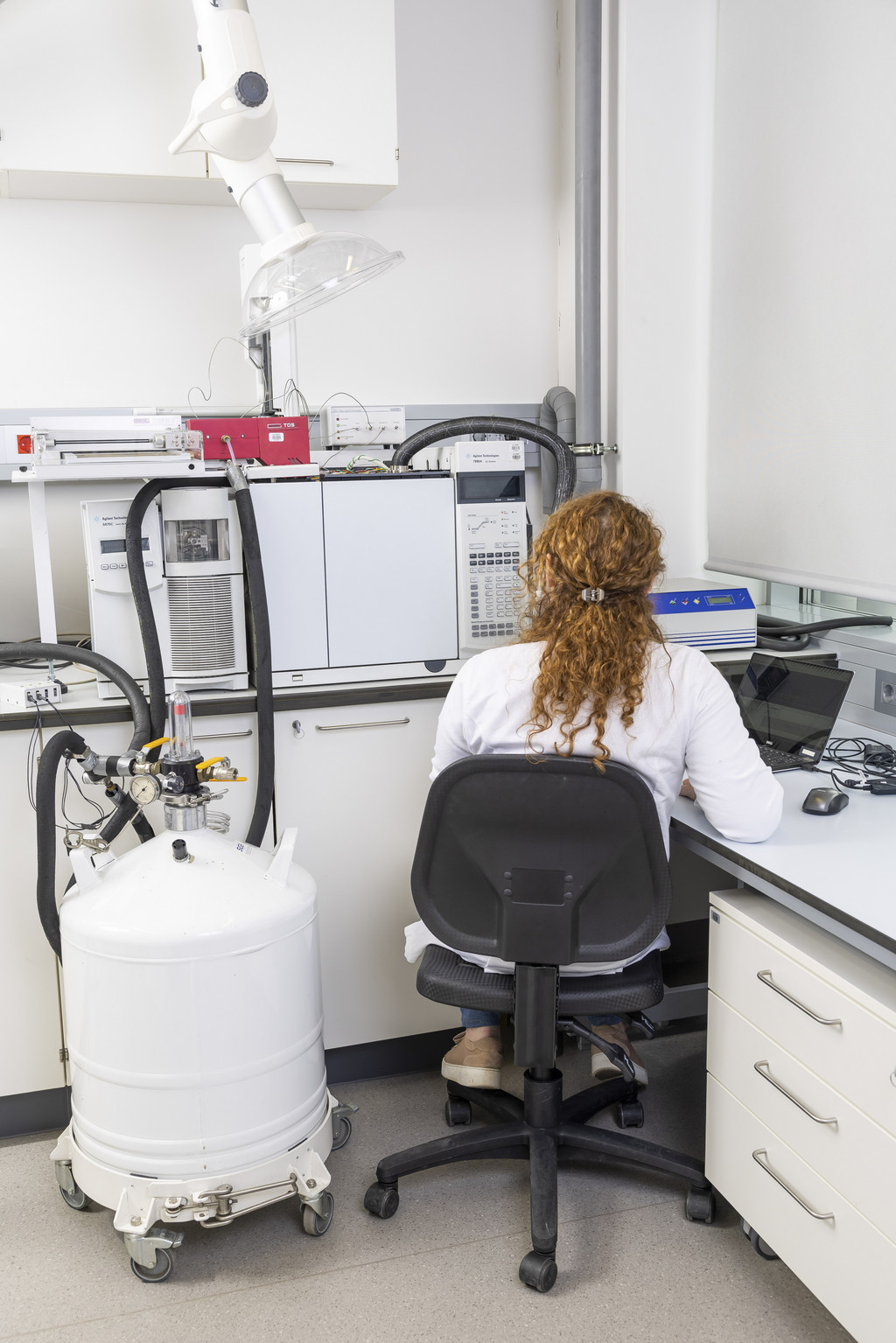
Equipment name: Automatic Thermal Desorption Sampler TDS-A (Gerstel)
Person, responsible for the equipment: prof. dr. Matija Strlič
Purpose of the equipment:
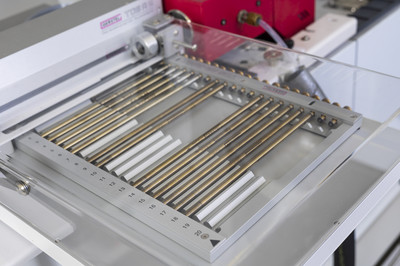
A gas chromatograph equipped with a thermal desorption system and in conjunction with a cooled injector system enables the reproducible detection of various volatile analytes at low concentrations. The upgrade with an automatic sampler enables continuous analysis of up to 20 samples, which is especially important for sampling outside the laboratory.
Accessibility: As agreed with the person, responsible for the equipment.
Interested users should contact the unit manager who organizes the measurements. The cost of measurements depends on the nature of the sample, the complexity of the experiments, and the interpretation of the data. You can get the price information from the person, responsible for the equipment when you make an appointment for the experiments.
Equipment name:
Multiskan Sky microplate reader (Thermo Scientific)
Person, responsible for the equipment: prof. dr. Matija Strlič
The equipment is located at the Institute for the Protection of Cultural Heritage of Slovenia (IPCHS).
Purpose of the equipment:
UV/Vis spectrometric determination on microtiter plates.
Accessibility:
As agreed with the person, responsible for the equipment.
Interested users should contact the unit manager who organizes the measurements. The cost of measurements depends on the nature of the sample, the complexity of the experiments, and the interpretation of the data. You can get the price information from the person, responsible for the equipment when you make an appointment for the experiments.
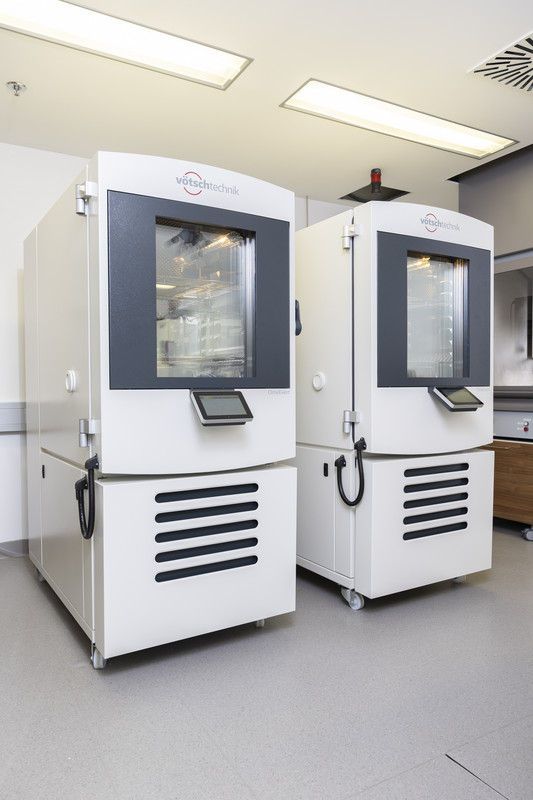
Equipment name: Climate Test Chambers
Person, responsible for the equipment: prof. dr. Matija Strlič
Purpose of the equipment:
Climate chambers are used to test the effects of certain environmental conditions, such as temperature and humidity, on the properties of materials. Climate chambers enable the study of material degradation, with conditions in the chambers carefully selected to mimic the degradation processes as closely as possible in a natural environment. In the chamber, we can regulate the relative humidity between 10 and 98% and the temperature between 10 and 90°C. One of the two chambers also has the option of cooling to temperatures below 10°C.
Accessibility: As agreed with the person, responsible for the equipment.
Interested users should contact the unit manager who organizes the measurements. The cost of measurements depends on the nature of the sample, the complexity of the experiments, and the interpretation of the data. You can get the price information from the person, responsible for the equipment when you make an appointment for the experiments.
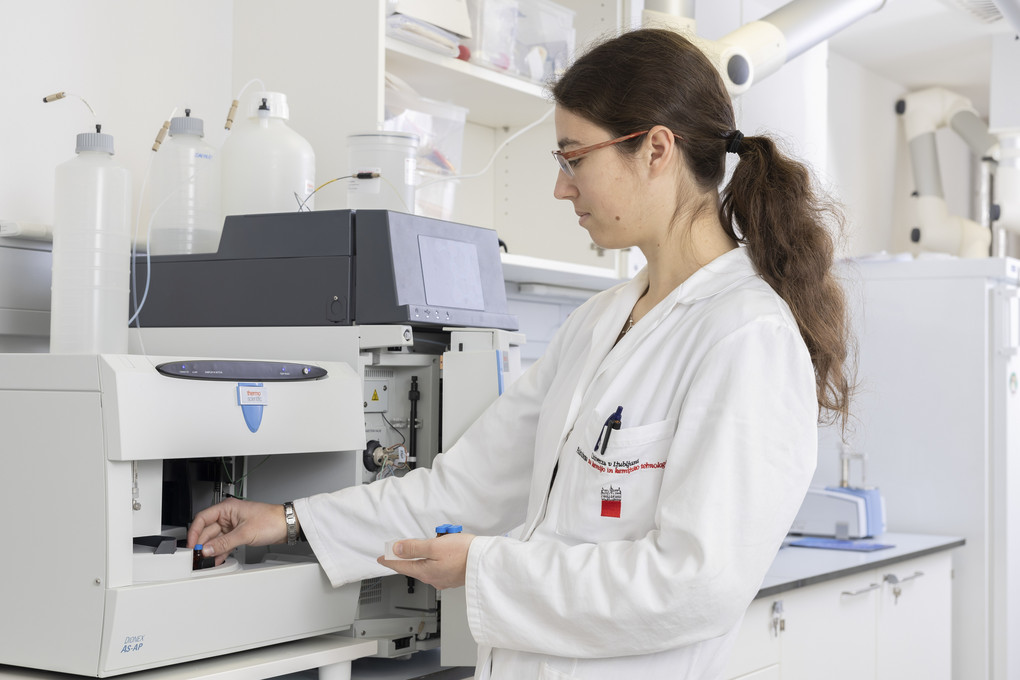
Ion chromatography is a type of liquid chromatography in which ions are separated based on their affinity for the ion-exchange stationary phase in the column. This technique can be used to analyze both positive and negative ions ofinorganic and organic compounds (amino acids, nucleotides, sugars, and proteins in ionic form). The instrument does not include metal pieces, which would be in contact with the mobile phase, because we use solvents with extreme pH values, that cause metal corrosion.
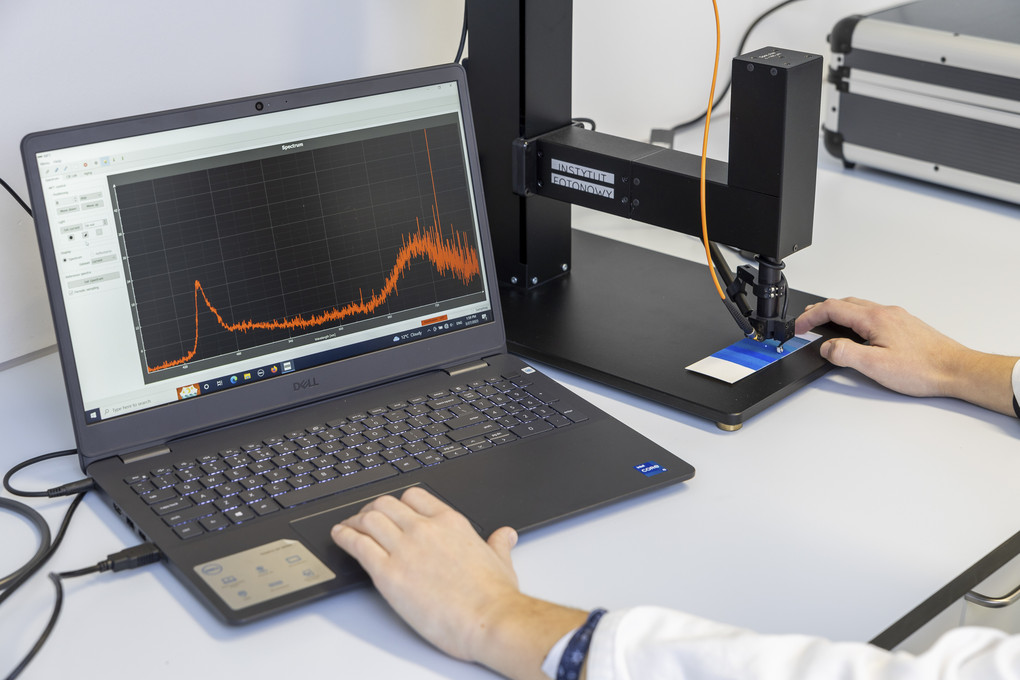
Microfadeometry is a technique that enables non-destructive measurement of color change on non-porous surfaces caused by light (380 – 780 nm). Due to the small area of illumination, the test leaves very little residue and can be used for both heritage objects and model or research samples. Change in color is expressed in the CIELAB color space, and we can also obtain spectrometric data of reflected light. Based on a comparison with the Blue Wool standards, objects can be classified according to their sensitivity to visible light and suitable lighting conditions can be recommended.
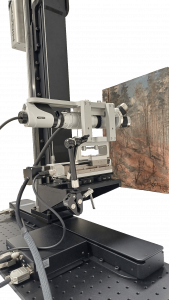
Equipment name: Hirox digital microscope
Person, responsible for the equipment: Ibrahim Elrefaey
Purpose of the equipment:
The Hirox digital microscope provides high-resolution macro to micro images with a magnification range of 35x to 2500x using versatile illumination options such as dark field, bright field, polarized light, and UV. This allows for optimized illumination and advanced capabilities, such as 2D and 3D positioning and multi-focus imaging. Intuitive software and motorized precision components allow sophisticated options to be easily implemented.
Accessibility: As agreed with the person, responsible for the equipment.
Interested users should contact the unit manager who organizes the measurements. The cost of measurements depends on the nature of the sample, the complexity of the experiments, and the interpretation of the data. You can get the price information from the person, responsible for the equipment when you make an appointment for the experiments.
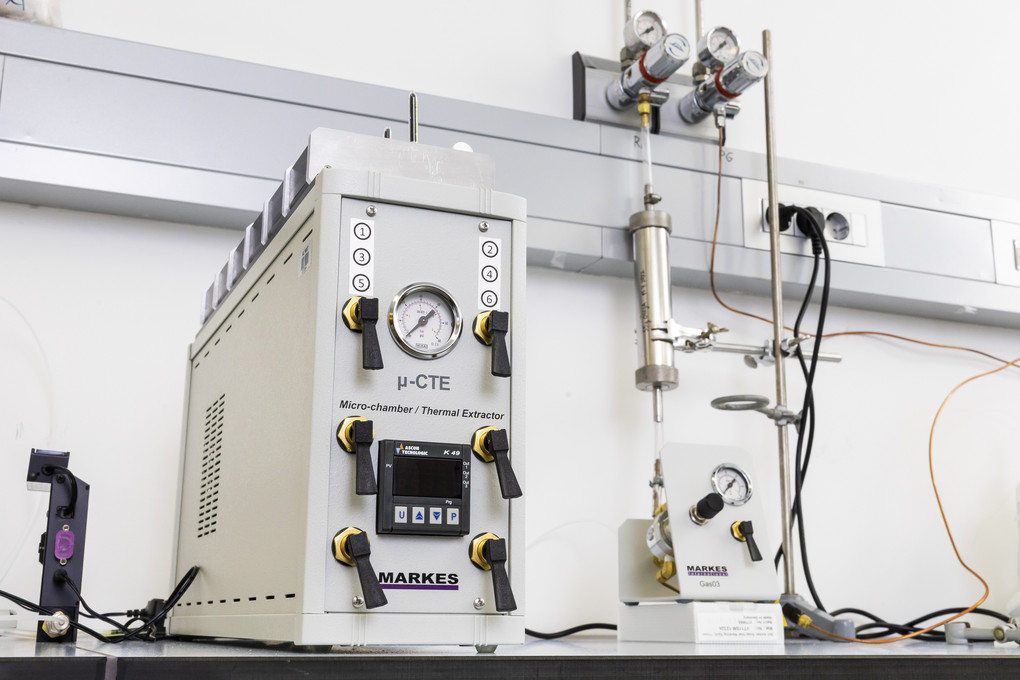
The MCTE120 is an instrument for sampling gas emissions from solid or liquid samples. Sampling can be performed simultaneously in six micro-chambers using sorbent tubes made of different materials, which enables analysis of a wide range of volatile compounds. For quantitative emission analysis, cells are flushed with purified air at a controlled flow rate, and the temperature can be regulated from room temperature to 120 °C. In addition to temperature, the selected relative humidity can also be regulated and maintained in the micro-chambers.

Equipment name: Equipment for olfactometric analysis
Person, responsible for the equipment: prof. dr. Matija Strlič
Purpose of the equipment:
Equipment for olfactometric analysis enables the analysis of volatile compounds using gas chromatography inconjunction with mass spectrometric and olfactometric detection. The system allows for direct sample input via aninjector or thermal desorption.
Accessibility: As agreed with the person, responsible for the equipment.
Interested users should contact the unit manager who organizes the measurements. The cost of measurements depends on the nature of the sample, the complexity of the experiments, and the interpretation of the data. You can get the price information from the person, responsible for the equipment when you make an appointment for the experiments.

Equipment name: Olfactometric detector Phaser (GL Science)
Person, responsible for the equipment: asist. Emma Paolin
Purpose of the equipment:
An olfactometric detector in combination with gas chromatography coupled with mass spectrometry is an excellentanalytical technique for identifying compounds that have a smell. With this system, it is possible to perform the separationand characterization of odor substances in parallel. After separation on a chromatographic column, the analytes aredivided between a mass spectrometer and an olfactometric detector, where we use a human nose to detect volatilecompounds.
Accessibility: As agreed with the person, responsible for the equipment.
Interested users should contact the unit manager who organizes the measurements. The cost of measurements depends on the nature of the sample, the complexity of the experiments, and the interpretation of the data. You can get the price information from the person, responsible for the equipment when you make an appointment for the experiments.
Equipment name:
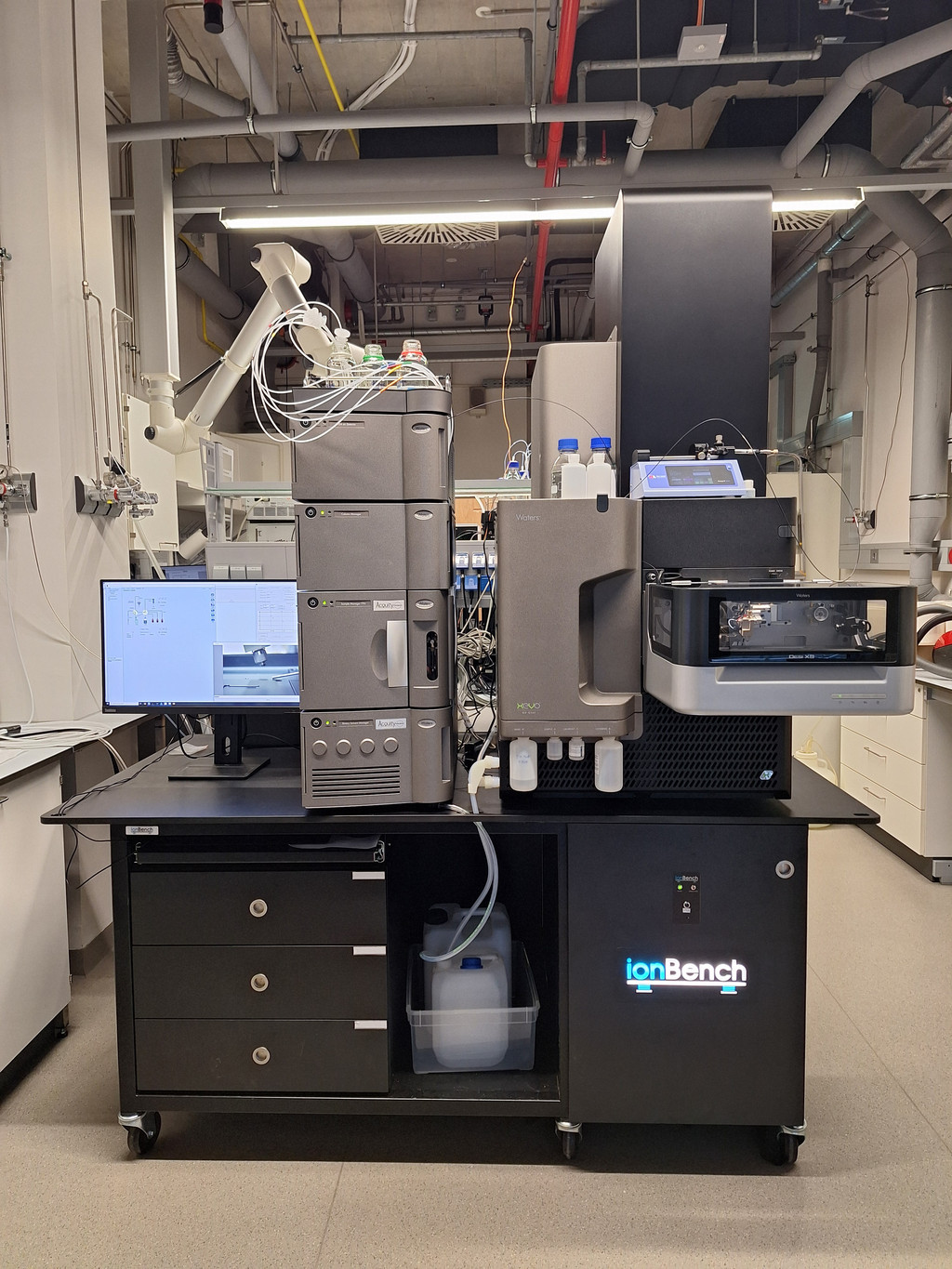
Chemical imaging with Desorption Electrospray Ionization and high resolution Time-of-Flight mass spectrometry with Liquid Chromatography (DESI - LC - ToF)
Person, responsible for the equipment: prof. dr. Irena Kralj Cigić
Purpose of the equipment:
DESI Q TOF enables molecular imaging of surfaces with excellent selectivity and 10 µm resolution. The technique works at atmospheric pressure and is non-destructive, making it suitable for histological, forensic, hereditary, and other complex samples.
Accessibility: As agreed with the person, responsible for the equipment.
Interested users should contact the unit manager who organizes the measurements. The cost of measurements depends on the nature of the sample, the complexity of the experiments, and the interpretation of the data. You can get the price information from the person, responsible for the equipment when you make an appointment for the experiments.


Equipment name:
Dual-channel size exclusion chromatograph with multi-detector system
Person, responsible for the equipment: prof. dr. Irena Kralj Cigić
Purpose of the equipment:
Size exclusion chromatography is used to characterise macromolecules: molecular weight distribution, purity, aggregation, and structural properties. The system enables working in aqueous and organic mobile phases. The multi-detector system includes a refractive index detector, a UV/VIS detector, a multi-angle light scattering detector and a viscometric detector.
Accessibility:
As agreed with the person, responsible for the equipment.
Interested users should contact the unit manager who organizes the measurements. The cost of measurements depends on the nature of the sample, the complexity of the experiments, and the interpretation of the data. You can get the price information from the person, responsible for the equipment when you make an appointment for the experiments.
Equipment name:
High-resolution X-ray computed microtomograph EasyTOM XL Ultra
Person, responsible for the equipment: prof. dr. Irena Kralj Cigić
The equipment is located at the Slovenian National Building and Civil Engineering Institute, ZAG (www.zag.si/en/research-and-development/equipment-list/equipment-list-details/)
Purpose of the equipment:
Computed microtomography (microXCT) is a technique used to investigate the structure of various materials, both homogeneous and inhomogeneous. It provides the distribution of chemical composition and enables observation of deformations, inclusions, pores, fibres and cracks. This technique allows non-destructive analysis of samples structure in 2D, 3D and 4D modes.
Accessibility:
As agreed with the person, responsible for the equipment.
Interested users should contact the unit manager who organizes the measurements. The cost of measurements depends on the nature of the sample, the complexity of the experiments, and the interpretation of the data. You can get the price information from the person, responsible for the equipment when you make an appointment for the experiments.
Equipment name:
Hiperspectral system with VNIR (400-1000 nm) and SWIR (1000-2500 nm) cameras (Clyde Hyperspectral Imaging and Technology Ltd.)
Person, responsible for the equipment: asist. razisk. dr. Hend Mahgoub
The equipment is located at the Biotechnical Faculty, UL BF (https://www.bf.uni-lj.si/en/research/research-equipment/2024031209193640/)
Purpose of the equipment:
Hyperspectral imaging is a non-destructive, non-contact technique that combines imaging with material characterisation, enabling analyses from individual spots to examination of the entire surface of a sample. This approach provides valuable information about the distribution of material properties across the surface, allowingdetailed studies of its physical and chemical properties.
Spectral data are collected using a translational stage equipped with a scanner (SC-A3, size ~30 × 40 cm). The system operates in the range of 400-2500 nm and can simultaneously hold one or two hyperspectral cameras: VNIR camera (400-1000 nm) with a spectral resolution <=3 nm and SWIR camera (900-2500 nm) with a spectral resolution of <=12 nm.
Accessibility:
As agreed with the person, responsible for the equipment.
Interested users should contact the unit manager who organizes the measurements. The cost of measurements depends on the nature of the sample, the complexity of the experiments, and the interpretation of the data. You can get the price information from the person, responsible for the equipment when you make an appointment for the experiments.
Equipment name:
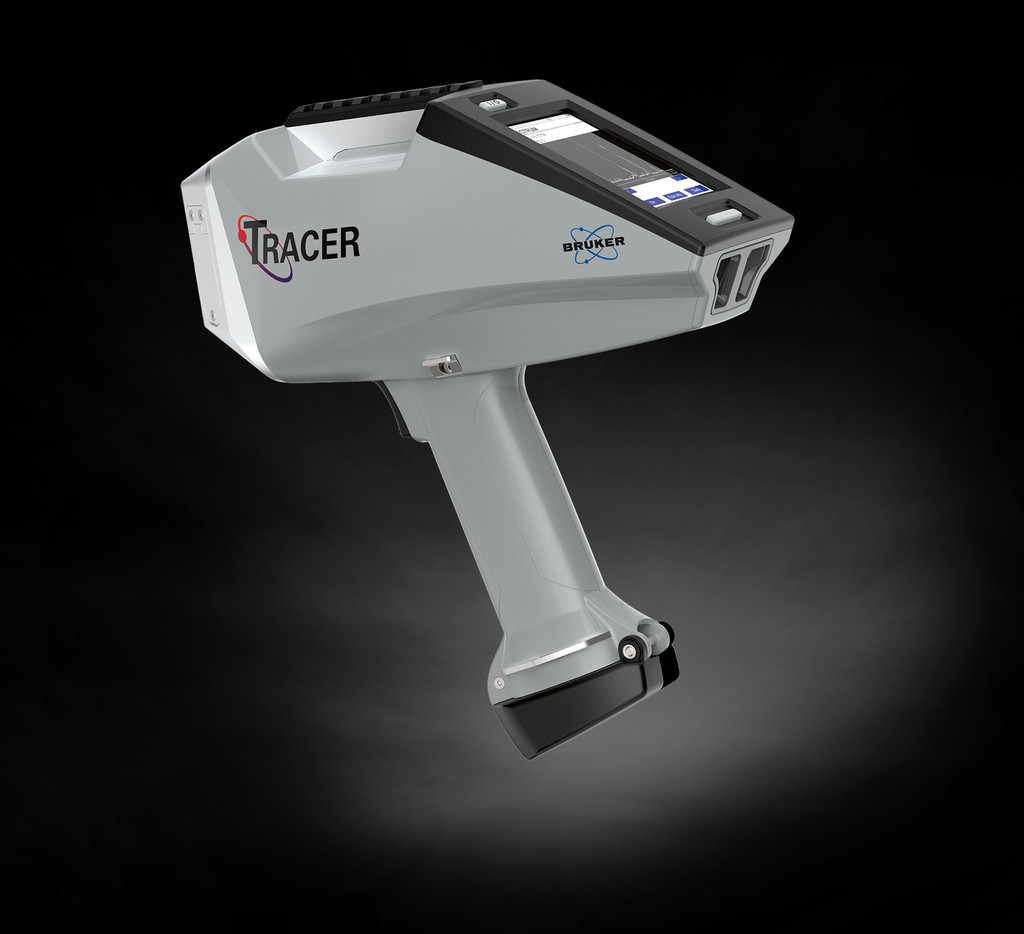
The handheld X-ray fluorescent (XRF) spectrometer Tracer 5 (Bruker)
Person, responsible for the equipment: Ibrahim Elrefaey
Purpose of the equipment:,
Hanndheld XRF is a non-destructive, rapid instrument for elemental analysis across various materials including metals, ceramics, pigments, and glass. It utilizes XRF technology for determination of elements from Fluorine to Uranium, offering precise, on-site analysis without sample destruction. It can analyse objects in any form—liquid, solid, powder, or film.
Accessibility:
As agreed with the person, responsible for the equipment.
Interested users should contact the unit manager who organizes the measurements. The cost of measurements depends on the nature of the sample, the complexity of the experiments, and the interpretation of the data. You can get the price information from the person, responsible for the equipment when you make an appointment for the experiments.
Equipment name:
GEM P-type Coaxial High Purity Germanium (HPGe) Radiation Detector (Ortec)
Person, responsible for the equipment: prof. dr. Matija Strlič
The equipment is located at the Jožef Stefan Institute (IJS).
Purpose of the equipment:
Detector is designed to address the typical energy range for Gamma Spectroscopy of ~40 keV and upwards and can be used for large samples with complex spectra and in-situ spectroscopy.
Accessibility:
As agreed with the person, responsible for the equipment.
Interested users should contact the unit manager who organizes the measurements. The cost of measurements depends on the nature of the sample, the complexity of the experiments, and the interpretation of the data. You can get the price information from the person, responsible for the equipment when you make an appointment for the experiments.